
Meet the SSM Team

Sebastian Wenk
PhD Assistant Professor
After studying molecular, synthetic, and structural biology at the University of Strasbourg, I pursued my PhD and postdoctoral research in the group of Arren Bar-Even at the Max Planck Institute of Molecular Plant Physiology in Potsdam. There, I focused on the evolutionary engineering of synthetic formate assimilation pathways. My PhD work led to the creation of the first synthetic E. coli strain capable of growing on CO₂-derived formate via the synthetic Serine–Threonine Cycle.
To expand molecular toolkits for industrial biotechnology, I was awarded a Marie Skłodowska-Curie Postdoctoral Fellowship in the laboratory of Prof. Víctor de Lorenzo at the National Center for Biotechnology (CNB-CSIC) in Madrid.
Since 2025, I have been an Assistant Professor of Biotechnology at the University of Groningen, where I lead the Sustainable and Synthetic Metabolism Lab. Our team integrates in silico design, enzyme engineering, and adaptive evolution to develop robust microbial platforms for sustainable carbon capture and biomanufacturing.
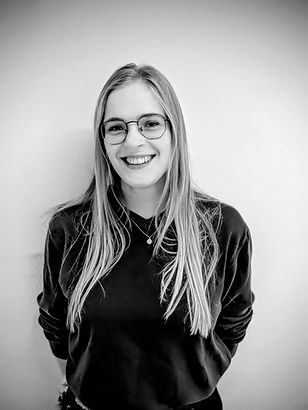
Kes van der Wijngaard
PhD student
I’m originally from Drachten, a town in Friesland (the Netherlands). I began my studies with a BSc in Life Science & Technology at the University of Groningen in 2020, followed by an MSc in Biomolecular Sciences.
Through my studies, I built a foundation in Molecular Microbiology, Synthetic Biology, and modeling, and developed a fascination with how life operates at the molecular level and how we can engineer it to do new things.
During my master’s, I really enjoyed working on longer projects in the lab and realized that doing science for fun and getting paid for it sounded like a dream job. So, I started attending the institute’s weekly seminars in search of a PhD opportunity. With a lot of luck and good timing, the first talk I went to was given by Sebastian. I found his presentation really inspiring and decided to reach out. A few emails later, I had found my project and my PhD officially started in September 2025.
My project focuses on developing a workflow that integrates AI-driven enzyme design, in vivo mutagenesis, and growth-coupled selection to optimize enzymes for the assimilation of sustainable one carbon feedstocks.
I am fascinated by the diversity of microbial life and metabolism. My research explores how microbial metabolic networks function and how they can be rewired to address global challenges such as climate change. In my lab, we combine computational and synthetic biology to engineer enzymes and metabolic pathways, creating microbes capable of assimilating CO₂ or CO₂-derived substrates for the biosynthesis of value-added products.

Kyle Moynahan
PhD student
I am from Ambler, Pennsylvania in the United States. Ambler is a small town outside Philadelphia and was formerly considered the asbestos capital of the world. I started studying Chemical Engineering at Drexel University but then transferred to the University of Cologne and finished a Bachelor's program in Biochemistry. I then moved to Berlin to pursue a Master's degree in Biotechnology.
I am fascinated by the elegant complexity of natural systems. Biological systems are at the same time unbelievably complex and bafflingly robust. I feel privileged to be able to dedicate my time to studying a tiny fraction of life's beautiful mechanisms, and hope that my work can help someone in the future to utilize these amazing systems for the good of mankind.
I met Sebastian through pure chance, as he presented at my previous group's group meeting. I found his presentation interesting and ended up doing my Master's thesis with him. Sebastian was an outstanding supervisor, and it became clear to me that he and I work very well together. I applied for a PhD position at his new group in Groningen, and started in July 2025. Sebastian is an amazing collaborator after 10am, and I consider myself very lucky to be working in Groningen.
In my PhD, I am focusing on how cells adapt to grow on one-carbon feedstocks such as formate, formaldehyde, or methanol. These compounds present unique challenges to the cell, and are often even toxic. Nevertheless, cells have adapted to be able to utilize these compounds for growth, so it is important for us to understand what biological mechanisms are important for effective C1 utilization. This line of work is closely coupled with the analysis of natural and synthetic C1 assimilation pathways to understand which pathways are best suited for implementation in industrially relevant microbes.
